- Opening Hours: 7:00 am - 5:30 pm
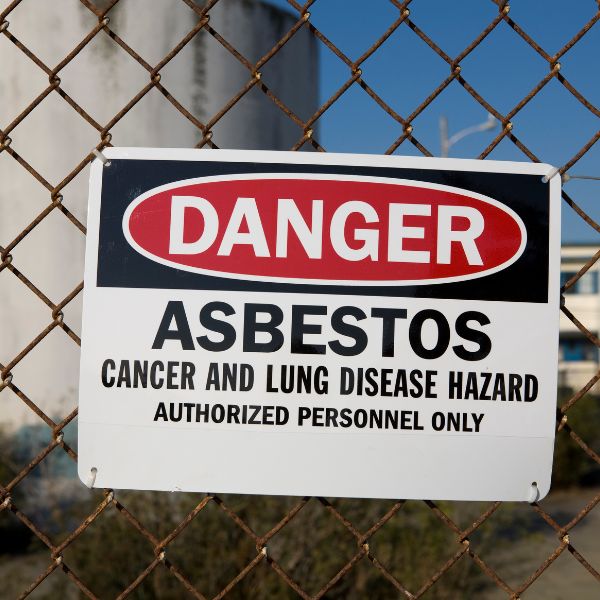
Asbestos was once a commonly used building material because of its durability, insulation properties, and resistance to fire. However, scientific research later proved that asbestos exposure poses serious health risks, including lung cancer, mesothelioma, and asbestosis. Due to these dangers, many countries-including New Zealand-introduced strict regulations and bans on asbestos.
At Asbestos Removal NZ, we regularly help homeowners, builders, and commercial clients understand asbestos risks and ensure safe, compliant asbestos removal across New Zealand. This article explains when asbestos was banned in New Zealand, how regulations evolved, and how other countries responded globally.
Asbestos is made up of tiny fibres that can become airborne when materials are disturbed during renovation, demolition, or maintenance work. Once inhaled, these fibres can lodge in the lungs for decades, causing long-term and often fatal illnesses.
Because symptoms may take 20-40 years to appear, asbestos is still considered a hidden risk in older buildings today.
For much of the 20th century, asbestos was widely used in New Zealand construction, particularly in:
Many properties built before the 1990s may still contain asbestos-containing materials.
New Zealand introduced asbestos restrictions gradually, rather than through a single immediate ban.
Initial controls focused on limiting workplace exposure rather than banning asbestos outright.
The import of raw blue and brown asbestos was prohibited, significantly reducing new asbestos use in manufacturing.
As health awareness increased, asbestos products were phased out of construction and industrial use.
On 1 October 2016, New Zealand implemented a complete ban on importing and exporting asbestos-containing products, except under strict permit conditions. This effectively ended legal asbestos use in new products.
Today, asbestos is governed by strict health and safety laws. These require:
At Asbestos RNZ, all asbestos removal work is carried out in accordance with current New Zealand regulations, ensuring safety for occupants, workers, and the environment.
Different countries banned asbestos at different times:
Today, more than 60 countries worldwide have fully banned asbestos, although it is still used in limited ways in some regions.
Even though asbestos is banned, it has not disappeared. Asbestos is still commonly found in older:
Disturbing these materials without professional handling can release hazardous fibres into the air.
If your property was built before the early 2000s, asbestos may be present. Before starting renovations or demolition:
Asbestos Removal NZ provides professional asbestos inspection, removal, and disposal services to help property owners stay compliant and safe.
The asbestos ban in New Zealand represents a major step in protecting public health. However, asbestos exposure remains a real risk due to legacy materials in older buildings. Awareness, professional assessment, and safe removal are essential.
If you suspect asbestos in your home or workplace, Asbestos Removal NZ is here to help with safe, compliant, and professional asbestos solutions across New Zealand.